Why Buying in Bulk Sometimes Costs You More, Not Less
Bulk buying only saves money when the unit price is really lower, you use the whole thing, and you have somewhere to put it. Skip any one of those checks and the deal can quietly flip negative.
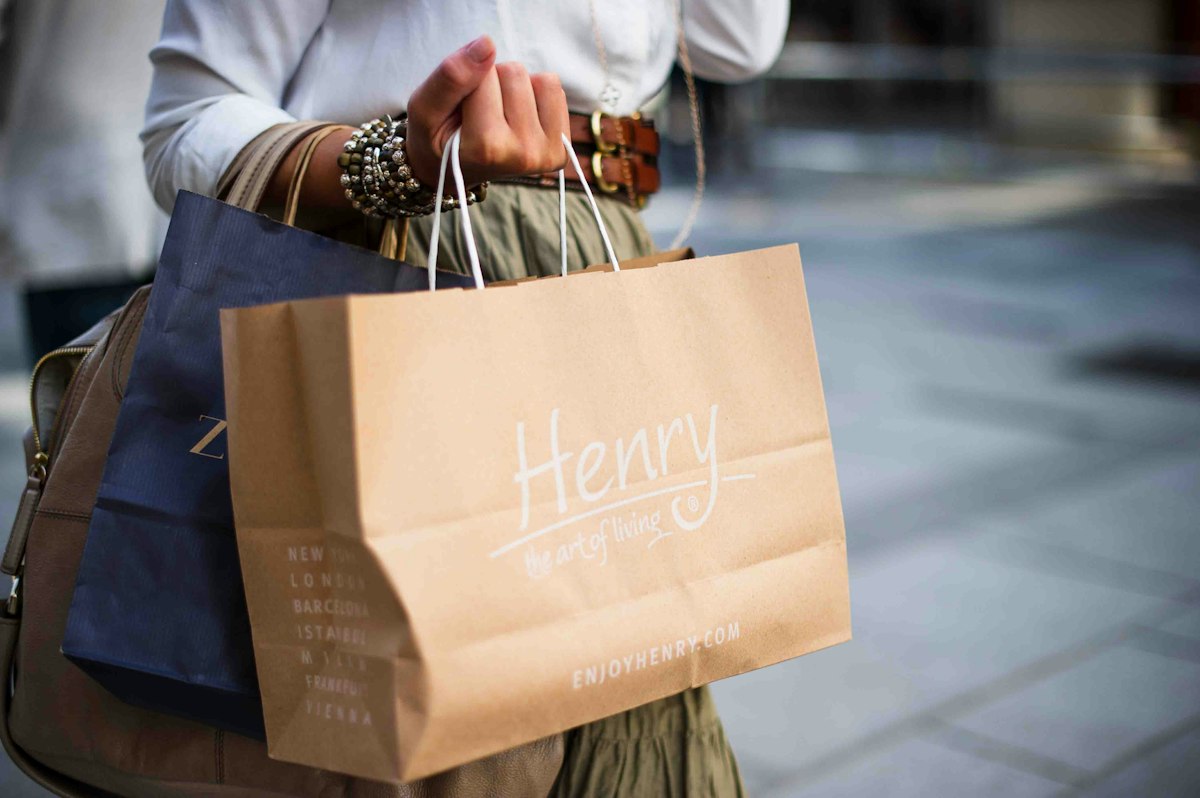
The Assumption Bulk Buying Leans On
The entire appeal of bulk buying rests on one assumption: bigger package, lower price per unit, automatic savings. It's a reasonable assumption, and it's genuinely true often enough that most people stop checking it. But "often enough" isn't "always," and the exceptions are common enough to quietly drain money out of a household that trusts the bulk aisle by default.
The honest version of the rule is that bulk buying saves money only when three things are all true at once: the unit price is actually lower, you use the full quantity before it goes bad or goes stale in your life some other way, and you had somewhere reasonable to put it. Miss any one of those three, and the "savings" can quietly turn negative.
Check the Unit Price, Not the Package Size
This is the most common trap, and it's purely a math error. A bigger package doesn't automatically mean a lower price per unit — it just usually does. Retailers price plenty of large-format items at a unit cost that's the same as, or occasionally higher than, the smaller size, betting correctly that most shoppers won't do the division and will assume bigger equals cheaper on reputation alone.
Say a small container of something costs six dollars for ten units, and the bulk version costs sixteen dollars for twenty-five units. The small size works out to sixty cents a unit. The bulk size works out to sixty-four cents a unit. The bulk version looks cheaper because the total number on the shelf is bigger relative to the total number of units, but it's actually the worse deal per unit — and without doing that division, you'd never know. Most stores post a per-unit price on the shelf tag specifically for this reason; it's worth a glance every time, especially on anything unfamiliar.
The Cost That Doesn't Show Up at Checkout
Even when the unit price genuinely is lower in bulk, that's only half the equation. The other half is whether you actually use the whole thing before it stops being useful — and for a huge range of household goods, that window is shorter than people assume.
Perishables are the obvious case: a large bag of something fresh that goes soft or moldy before a household of two can work through it isn't a bargain, it's a slightly cheaper way to throw part of it away. But the same math applies to less obvious categories too. Household products can lose effectiveness sitting in storage. Anything with a use-by date measured in months, not years, is a bet that your household's pace of consumption matches the package size — and if it doesn't, the unused portion is money spent for nothing, no matter how good the per-unit price looked at checkout.
A useful gut check before buying in bulk: estimate, honestly, how long your household actually takes to get through a normal-sized package of this item. If a bulk size represents six months of use and the product is realistically good for three, the bulk price was never really the price you paid — the effective price is higher once you account for what got thrown out.
Storage Has a Cost Too, Even If It's Invisible
Bulk purchases take up space, and space isn't free even when no cash changes hands for it. A garage or closet filled with oversized packages is space that isn't available for anything else, and in cramped living situations, that trade-off is more real than it feels. Some households end up buying secondary storage — bins, shelving, a small chest freezer — specifically to house bulk purchases, which quietly adds a real cost back onto the original "savings" that never shows up on the receipt for the bulk item itself.
There's also a subtler version of this cost: bulk quantities sitting in plain view tend to get used more freely, not more carefully. A single-size package creates a natural stopping point; a bulk bin sitting open in the pantry doesn't, and consumption quietly creeps up simply because the supply feels abundant. The savings from the lower unit price can get eaten by a higher rate of use that wouldn't have happened with a smaller package.
A Quick Checklist Before You Buy Big
Before tossing a bulk size into the cart out of habit, three quick questions cover most of the ground: Is the per-unit price actually lower — have you checked the shelf tag, not just eyeballed the total? Will your household realistically use the full quantity before it stops being good? And do you have a place to store it that doesn't require buying more storage to make it fit?
If the honest answer to all three is yes, bulk buying is exactly the deal it appears to be. If even one answer is shaky, the smaller package is often the actual bargain — just one that requires you to do a little arithmetic instead of trusting the size of the box.
Bulk Still Makes Sense for the Right Items
None of this means bulk buying is a trap in general — for a specific category of household goods, it's genuinely one of the more reliable ways to save. Non-perishable items your household reliably uses at a steady, predictable pace, with no expiration concerns and no realistic storage problem, are exactly the case bulk buying was built for. Paper goods, shelf-stable staples you cook with regularly, and household basics you'd otherwise be buying every few weeks anyway tend to hold their value in bulk precisely because none of the three failure points apply: the unit price genuinely is lower, the household will use all of it eventually, and it stores without any special accommodation.
The skill worth building isn't avoiding bulk purchases altogether — it's getting quicker at sorting which category a given item falls into before it's in the cart. A little practice with the three-question checklist turns that sorting into something closer to instinct, and at that point bulk buying goes back to being the straightforward savings tool it's usually assumed to be, minus the occasional expensive surprise.
Don't miss the next guide. One short, friendly money email a week.
Free. Cancel from any email, anytime. Includes clearly marked offers from our partners.
Keep reading

The Ten-Minute Rule for Cart Abandonment (On Purpose)
This isn't the 24-hour rule for big purchases. It's a shorter, everyday friction habit: a deliberate ten-minute pause on small carts, on purpose, before you hit checkout.

Why Small Daily Decisions Beat One Big Budget Overhaul
A dramatic budget overhaul feels productive for about three weeks. Small, boring, repeatable daily decisions are less exciting and far more likely to still be working in six months.
The One-In-One-Out Rule for Household Spending
Recurring subscriptions and upgrades creep upward one small yes at a time. Borrowing the closet's one-in-one-out rule forces every new recurring cost to earn its place.